There is a profound, undeniable relationship between the traditions we inherit and the innovations we pursue. This truth is the blueprint of my journey.
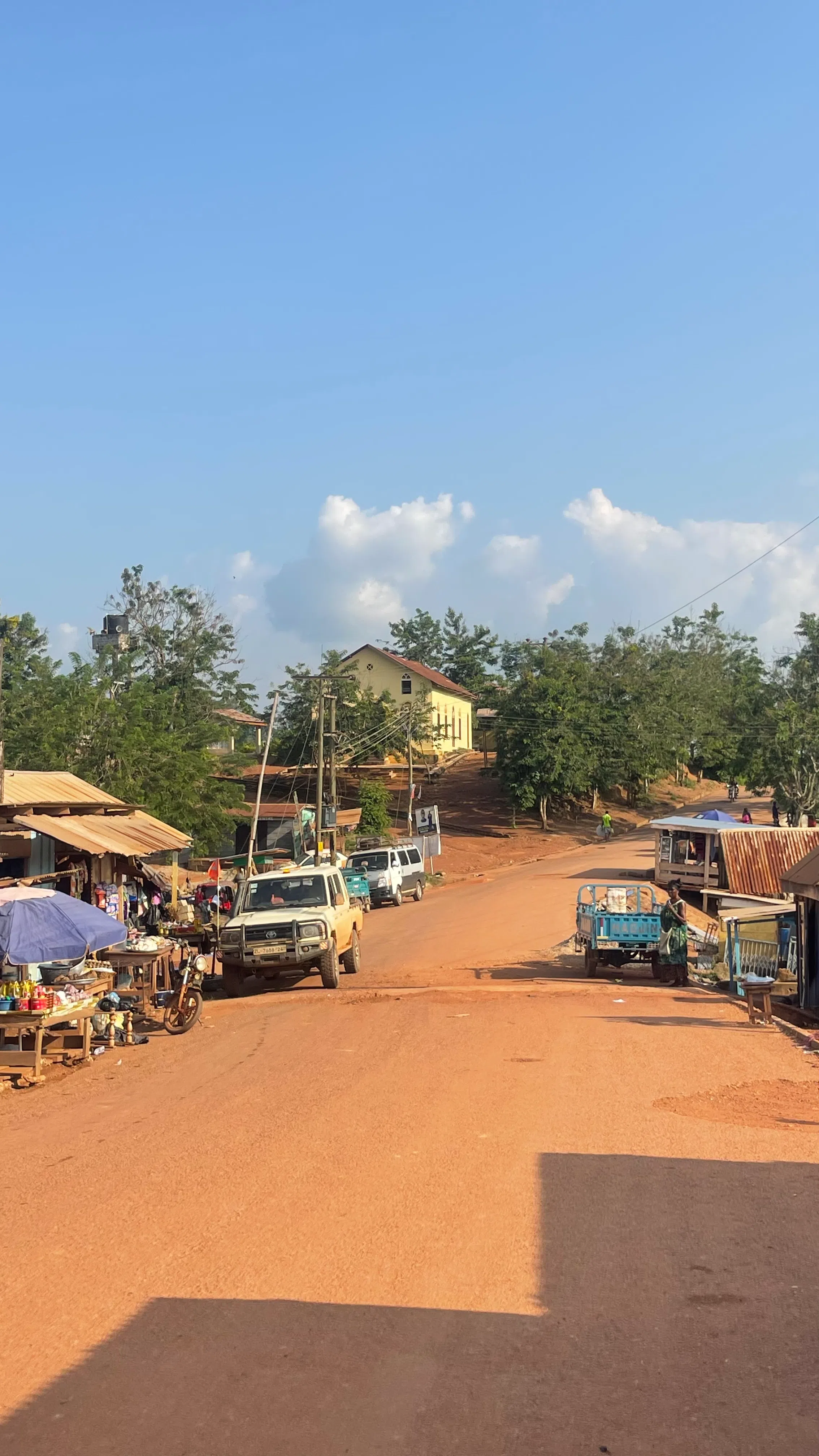
Growing up in Breman Asankragua, a small farming community in Ghana's Western Region in the 90s, I experienced innovation firsthand. My friends and I were little engineers. We'd craft replica cars (Konko cars) using discarded sardine and milk tins, fitting them with 'tyres' cut from old slippers, what we call 'tsalewote'. The finesse of our creations was nothing unique in the community but we were proud to be using our time right.
My world shifted in 2000 when I moved to Accra for school. Life in Nungua was vibrant, but the communal scrap-car building was replaced by a new hustle. Weekends were spent near the current Junction Mall (then Quaye Nungua Park), collecting and selling small pieces of scrap metal. The scrap dealers fascinated me; the act of buying discarded materials was intriguing because I kept questioning myself what was in it for the buyers. I was captivated by the sheer variety of shapes and designs of the metal junk. I had encountered the works of assemblage sculptors, and a dormant idea took root that one day, I would create something with this. The purpose was unclear, but the curiosity was intense.
In 2008, while Ghana hosted the historic African Cup of Nations, I was also preparing for my BECE exams and had to relocate to my aunt's at Burma Camp. My main chore was helping her run her sachet water business in Accra Central. This trade provided an invaluable perk: an hour-long lunch break to explore the vibrant city on foot.
The exploration was not just a break; it was an education. While the beaches offered solace, it was the majestic, imposing structures, the castles and forts and the surrounding old colonial-era buildings that became my silent mentors in design.
The architectural brilliance of our forts lies in their profound use of spatial design and flow management, contrasting heavy walls with vast courtyards. Juxtaposed against this, the graceful old Ghanaian buildings, with their prominent verandahs and use of simple material taught me about creating transitional zones and textures.
I realized that the design of these historical spaces wasn't about decoration; it was about purpose, material integrity, and maximizing environmental conditions. This understanding profoundly shaped my emerging interest in interior design.
This design philosophy was truly forged by walking the hallowed grounds of our history, culminating in my new favorite place: the Agbogbloshie scrap yard. This time, I wasn't selling. I was observing a full-scale, vibrant scrap economy, a sprawling landfill of metal, e-waste, and human life thriving around it. It was, simply put, a masterclass in discarded potential.
By 2013, I entered the University of Ghana and needed a trade to support myself. My newly inspired interest in decorating and remodeling spaces quickly became my primary business, focused on simple innovations and creativity.
The real breakthrough came in 2015 when a client needed a center table. I innovated, custom-making one from old car tyres. What started as a one-off became a sustainable secondary venture. This dedication to creative sustainability led me to further sharpen my skills at the Ghana Climate Innovation Center at Ashesi University in 2017.
The journey culminated in 2018. During an industrial symbiosis program in Tema, I met Matilda Payne and Eric Boakye. Visiting Matilda's studio at Trade Fair was the final inspiration I needed; it was the push to finally create with scrap metal. My artistic journey, from konko cars to complex sculptures, was championed and guided by her mentorship.
I am experiencing becoming and even at this stage, I think it's imperative I pass on knowledge and make more impact in my community. Just as Matilda did for me, I am mentoring and training other young art enthusiasts to make their journey much smoother. Together, we can give life to scraps and be inspired by what should have rather broken us.